

September 2026 · Breathwork
What Is Breathwork?
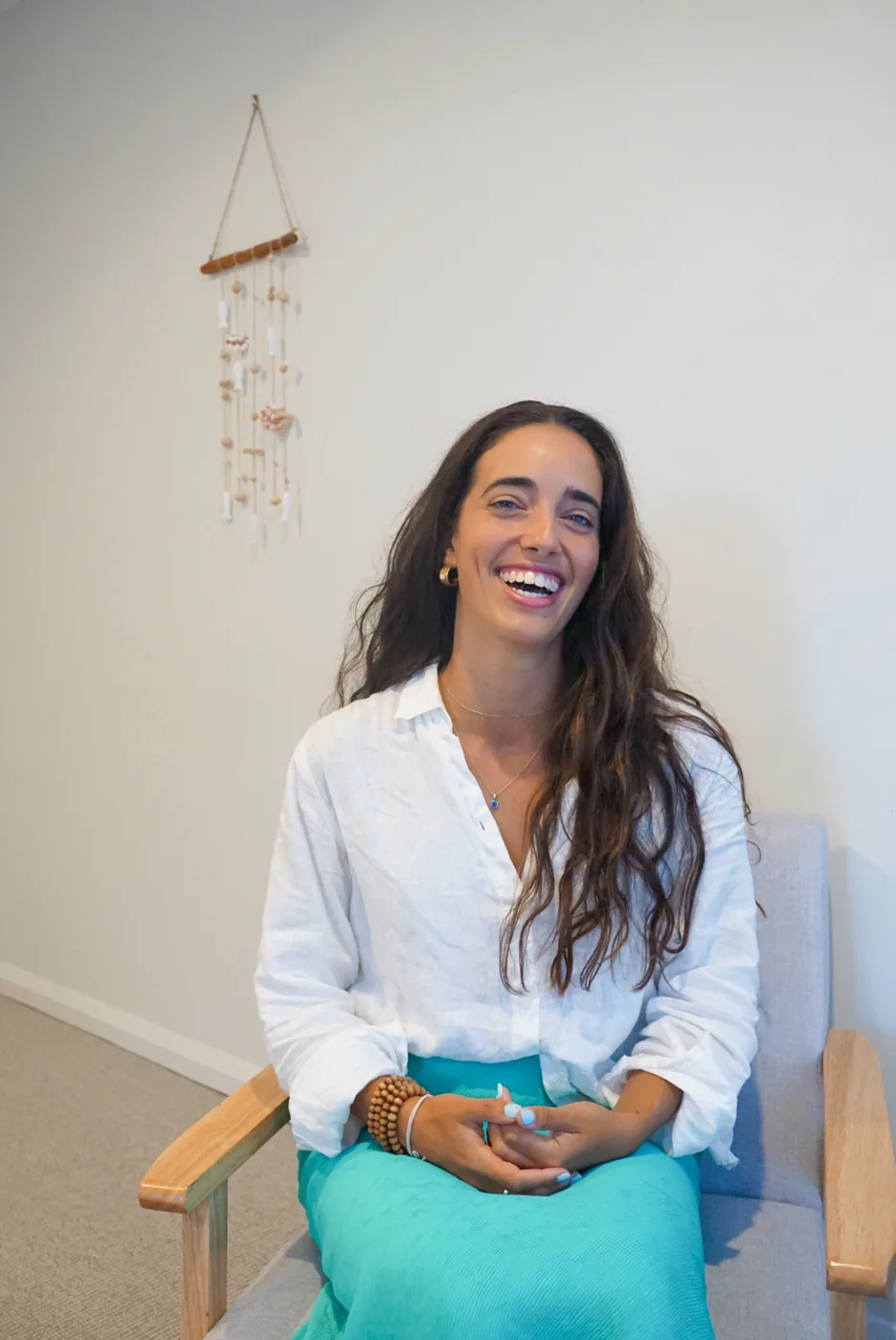
When we begin to move breath through the places that have gone quiet, the system has a chance to release what the mind alone could never reach.
Breath is the one system in your body that runs on autopilot, and yet you can take the wheel any time you choose. That's what makes it such a direct doorway in — there's no other function in the body quite like it.
What Breathwork Actually Is
Breathwork is a practice of consciously changing your breathing pattern — the pace, the depth, the rhythm — to shift what's happening in your body and nervous system. Different patterns produce different effects: some calm and ground you, others build energy, release tension, or bring buried emotion to the surface so it can finally move.
It isn't one single technique. It's a category that spans everything from slow, grounding breathwork used for regulation, through to more active, continuous styles designed to bypass the thinking mind and get straight into the body — where a lot of what we're actually carrying tends to live.
Why Breath, Specifically?
Most of what troubles us isn't stored as a tidy thought we can reason our way out of. It's stored in the body — as tension, as bracing, as a nervous system still running an old pattern. Talking about something can create understanding. It doesn't always create release.
Breath bypasses that. Change the breath, and you change your physiological state almost immediately — heart rate, nervous system activation, the chemistry of what you're feeling. Sustained, intentional breathwork can move you into a different state entirely, where old material has room to surface and, often, to finally soften.
Coming Home to the Body
So much of the modern healing conversation lives in the head. Breathwork brings us back to the felt sense — to the breath, to the body as a wise and knowing guide, rather than a problem to think our way out of.
What Happens in the Room
In a journey, the breath becomes a doorway. The nervous system softens. Old emotion moves.
There are tears and tremors and unexpected laughter. There is sometimes profound stillness.
What there is not is fixing. This work was never about making you different. It's about creating the conditions for what is already true to surface.
What It Can Feel Like
Everyone's experience is different, and that's part of the point — breathwork meets you where you actually are, not where you think you should be. For some people, it's calming almost immediately. For others, it stirs things up before it settles — tension releasing from places they didn't know they were holding it, emotion surfacing that's been waiting a long time for permission to move.
I can speak to this from my own experience as much as anyone I've held space for: the first time I did real breathwork, I found a kind of awe for my own body I hadn't felt before. Tension I didn't know I was carrying let go. Something that felt like bliss arrived almost immediately — not because I'd worked for it, but because I'd finally stopped bracing against it.
Is It Right for You?
Breathwork is worth exploring if you feel disconnected from your body, if you sense there's emotion or tension that talking hasn't fully reached, or if you're simply craving a way back into your own aliveness that doesn't run entirely through your head.
It can be done alone or in a group, and it pairs naturally with other body-based and trauma-informed work — which is part of why it sits alongside somatic awareness and EMDR in how I work with people.
Explore breathwork and somatic therapy in Sydney →Ready to explore what may support you?
An initial conversation is a place to explore fit, timing, and the most supportive way forward.
Enquire with Olivia →Olivia Maxwell is a Masters-trained, former registered psychologist. This post is educational and doesn't replace an individual clinical assessment. Breathwork can bring up intense physical or emotional sensation and isn't recommended for certain medical or psychiatric conditions without professional guidance. If you're pregnant, have a cardiovascular or respiratory condition, or a history of psychosis, please check with a qualified practitioner before trying it. If you're currently in crisis, please reach out to Lifeline (13 11 14) or your local emergency line.